 News Home
 {{blogcategory.sCategoryName}}
Recent posts

Extravaganza
How to Light a Room Like an Interior Designer
22 July 2026

Money Talks
What You Should Know About ClickCredit Loan Rates and Terms
17 July 2026

Hit the Road
What Happens When Commercial Flights Are Diverted?
15 July 2026

Talent Agents
The Complete Guide to Building and Managing a Remote Team
13 July 2026
Popular posts
Extravaganza
Trending Music Hashtags To Get Your Posts Noticed
24 August 2018
Geek Chic
How To Fix iPhone/iPad Only Charging In Certain Positions
05 July 2020
Extravaganza
Trending Wedding Hashtags To Get Your Posts Noticed
18 September 2018
Money Talks
How To Find Coupons & Vouchers Online In South Africa
28 March 2019
5 Manufacturing Best Practices to Boost Output and Cut Costs
20 December 2023 | 0 comments | Posted by Brigitte Evans in Industry Experts
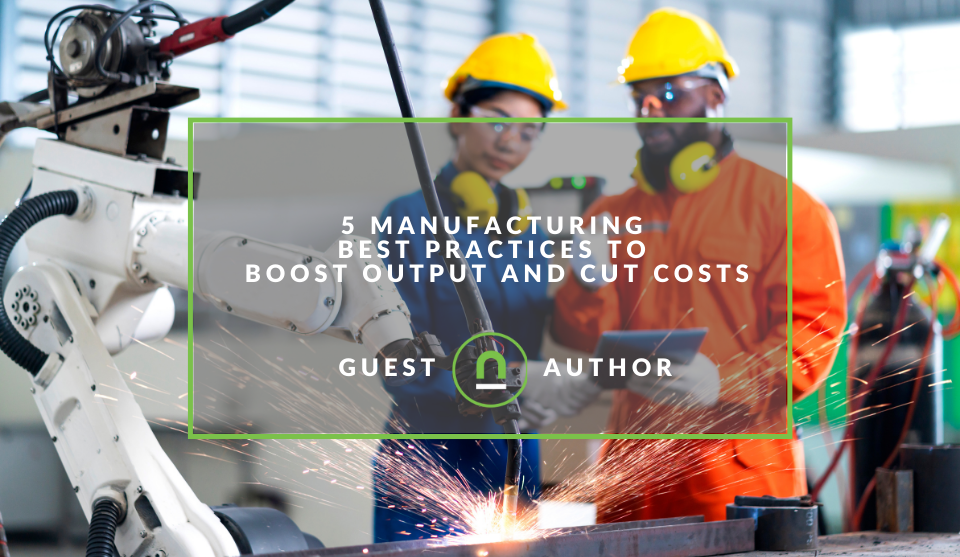
Manufacturing business owners are constantly seeking ways to boost output and cut costs. Thanks to the rapid technological advancements of the past decade, leaders in this industry can now find innovative ways to streamline operations and boost productivity.
Let's explore some of the best practices to help you thrive in this fast-evolving sector.
1. Lean manufacturing
Lean manufacturing has solidified its position as a key strategy for boosting your output. This approach centres on eliminating waste and optimising processes, thereby promoting a culture focused on continuous improvement. Lean principles require a comprehensive examination of each aspect of the manufacturing process, identifying areas where value is not being added, and implementing targeted changes to address these inefficiencies.
Integrating lean practices will allow you to boost your flexibility and respond more quickly to market changes and customer demands. This agility is crucial in today's fast-paced and fiercely competitive market. Moreover, the implementation of lean manufacturing leads to higher-quality products.
By continuously refining processes and eliminating errors, companies achieve a standard of excellence that not only reduces waste but also bolsters their market reputation. Lean manufacturing also fosters a collaborative workplace culture. Employees at all levels are encouraged to contribute ideas and innovations, leading to a more engaged and efficient workforce.
2. Automation and robotics
Robotics and AI-driven technologies are currently at the forefront of the new industrial revolution. These technologies can complete complex tasks with unmatched precision and efficiency. Automation greatly reduces the likelihood of errors, leading to a more reliable production process.
The integration of robotics in manufacturing also addresses the issue of labour costs. With robots handling repetitive and labour-intensive tasks, manufacturers can redirect their human workforce towards more strategic and creative roles.
This doesn't just save costs but also boosts employee satisfaction by making work more meaningful and engaging. Additionally, automation is a key player in improving workplace safety.
Robots can handle risky conditions where human safety is a concern, cutting down on workplace accidents and creating a safer environment for employees. This focus on safety not only protects workers but also minimises the potential financial impacts associated with workplace injuries.
3. Infrared equipment inspection
Infrared inspection technology offers a non-intrusive means to monitor and diagnose the health of machinery and electrical systems. By detecting variations in heat signatures, sophisticated infrared inspection can identify potential issues before they escalate into major failures. This proactive approach to maintenance is invaluable in minimising downtime and extending the lifespan of equipment.
This technology does more than that, though. It allows for a more detailed analysis of the manufacturing equipment, providing valuable insights into inefficiencies and areas for improvement. For example, an unusually high heat signature in a component might indicate overuse or the need for better cooling solutions. Addressing these issues promptly will ensure that your machinery operates at optimal efficiency, reducing energy costs and improving overall productivity.
Infrared technology also plays a significant role in ensuring workplace safety by detecting potential hazards like overheating or electrical faults, helping prevent accidents and ensuring a safer environment for the workforce.
4. Sustainable manufacturing practices
Sustainable manufacturing is a leading trend fueled by environmental awareness and consumer preferences for eco-friendly products. Manufacturers now embrace practices like recycling materials, using renewable energy, and minimising their carbon footprint. These approaches not only benefit the environment but also align with consumer choices favouring sustainability.
Moreover, integrating sustainable practices often results in lasting cost savings. For instance, opting for renewable energy sources such as solar or wind power can substantially cut down energy expenses.
Likewise, incorporating material recycling in the manufacturing process reduces raw material costs and minimises waste disposal expenses. Moreover, sustainable practices can open up new markets and enhance brand reputation, as consumers and businesses are more likely to support companies that demonstrate a commitment to environmental responsibility.
5. Advanced data analytics
Advanced data analytics is now a vital part of successful manufacturing. It's the tool that helps businesses make smart decisions and keep things running smoothly. With data analytics, manufacturers get insights into everything, from managing the supply chain to the nitty-gritty of the production floor.
This wealth of information allows for more informed decisions, leading to enhanced efficiency, reduced costs, and minimal stops in manufacturing.
Data analytics tools are being used to predict market trends, optimise inventory levels, and improve demand forecasting. This predictive capability ensures that manufacturers can respond swiftly to market changes, reducing the risk of overproduction or stock shortages.
Wrapping up
In 2024, the manufacturing industry is expected to continue leveraging innovative practices to meet the dual challenge of increasing output and reducing costs.
These strategies represent a forward-thinking approach that balances economic goals with environmental and social responsibilities, paving the way for a sustainable and prosperous future in manufacturing.
Tell us your story
Would you like to write for nichemarket just like Brigitte has? Find out how to submit a guest post, and when you're ready, you can contact us.
Are you looking to promote your business?
Businesses owners can create their free business listing on nichemarket. The more information you provide about your business, the easier it will be for your customers to find you online.
Registering with nichemarket is easy; all you will need to do is head over to our sign-up form and follow the instructions. If you require a more detailed guide on how to create your profile or your listing, then we highly recommend you check out the following articles.
Recommended reading
If you enjoyed this post and have time to spare, why not check out these related posts and dive deeper down the rabbit hole that is starting a business?
You might also like
What Happens When Commercial Flights Are Diverted?
15 July 2026
Posted by Heather Tilley in Hit the Road
Learn why commercial flights get diverted—weather, medical emergencies, technical issues—and what to expect as a passenger if it happens.
Read more
What Is The Difference VDS vs VPS?
10 July 2026
Posted by Che Kohler in Geek Chic
VPS (Virtual Private Server) and VDS (Virtual Dedicated Server) both run on virtualised environments, but differ in several factors like resource all...
Read more
{{comment.sUserName}}
{{comment.iDayLastEdit}} day ago
{{comment.iDayLastEdit}} days ago