 News Home
 {{blogcategory.sCategoryName}}
Recent posts

nichemarket Advice
What Is Search Everywhere?
06 April 2026

Constructive Criticism
How To Practice Sustainable Water Usage at Home
27 March 2026

Doctors Orders
What To Do When Your Denture Breaks?
25 March 2026

Get Court
Can a Rideshare Passenger Sue Both the Driver and the Company?
16 March 2026
Popular posts
Extravaganza
Trending Music Hashtags To Get Your Posts Noticed
24 August 2018
Geek Chic
How To Fix iPhone/iPad Only Charging In Certain Positions
05 July 2020
Extravaganza
Trending Wedding Hashtags To Get Your Posts Noticed
18 September 2018
Money Talks
How To Find Coupons & Vouchers Online In South Africa
28 March 2019
Peptide Use for Muay Thai Training
23 February 2026 | 0 comments | Posted by Che Kohler in Athletes
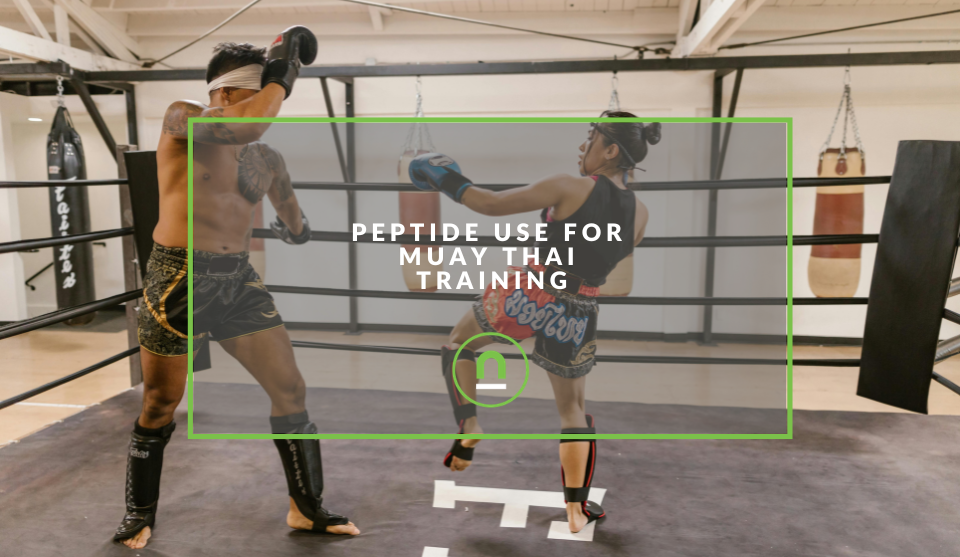
The physical demands of Muay Thai training are relentless. Between heavy bag sessions, pad work, sparring, clinching, and the conditioning work needed to maintain fight-ready fitness, your body takes a beating. As fighters search for every possible edge in recovery and performance, peptides have emerged as a topic of increasing interest in combat sports circles. While they're not a magic solution, certain peptides may offer legitimate benefits when integrated into a comprehensive training and recovery protocol.
Understanding Peptides in an Athletic Context
Peptides are short chains of amino acids that act as signalling molecules in the body, triggering specific biological responses. Unlike anabolic steroids, most recovery-focused peptides work by encouraging your body's natural processes rather than introducing synthetic hormones. This distinction matters both legally and physiologically, though it's crucial to understand that peptide use still carries considerations that every athlete should take seriously.
For Muay Thai practitioners, the appeal of peptides centres primarily on accelerated recovery, injury healing, and maintaining optimal body composition during intense training camps. The constant impact on shins, the wear on joints from thousands of kicks and knees, and the muscular damage from high-volume training create a recovery challenge that even perfect nutrition and sleep struggle to fully address.
BPC-157: The Recovery Peptide
Body Protection Compound 157, commonly known as BPC-157, has garnered significant attention among combat athletes for its potential healing properties. This peptide is derived from a protein found in gastric juice and has been studied for its effects on tissue repair and inflammation reduction.
Muay Thai fighters deal with chronic soft tissue issues, including tendon inflammation, ligament strains, and muscle tears. BPC-157 may accelerate healing in these areas by promoting angiogenesis, which is the formation of new blood vessels that deliver nutrients and oxygen to damaged tissues. Some athletes report faster recovery from nagging injuries that previously lingered for months.
The peptide is typically administered via subcutaneous injection, either near the injury site or systemically. Dosages commonly range from 250 to 500 micrograms twice daily, though individual responses vary. Fighter testimonials often mention reduced joint pain and faster recovery from training-induced muscle damage, though it's important to note that much of the evidence remains anecdotal, with human clinical trials still limited.
TB-500: Systemic Recovery Support
Thymosin Beta-4, marketed as TB-500, represents another peptide with potential applications for fighters managing the cumulative damage of training. This peptide naturally occurs in human cells and plays a role in tissue repair, inflammation reduction, and cellular migration to injury sites.
Where BPC-157 might excel at localised injury recovery, TB-500 appears to offer more systemic benefits. Fighters incorporating TB-500 often report improved flexibility, reduced chronic inflammation, and better overall recovery between training sessions. The peptide may be particularly relevant for addressing the kind of widespread inflammation that develops during intensive training camps when you're pushing your body daily.
Typical protocols involve injecting TB-500 subcutaneously at doses ranging from 2 to 5 milligrams twice weekly for a loading phase, followed by maintenance doses once or twice weekly. The effects tend to be more subtle than dramatic, manifesting as gradual improvements in recovery capacity over several weeks.
Growth Hormone Secretagogues: Ipamorelin and CJC-1295
Growth hormone plays crucial roles in recovery, body composition, and overall athletic performance. Rather than injecting synthetic growth hormone, some athletes turn to peptides that stimulate the body's natural production. Ipamorelin and CJC-1295 (specifically the DAC version) are often paired together for this purpose.
Ipamorelin stimulates growth hormone release from the pituitary gland without significantly affecting cortisol or prolactin levels, making it relatively selective. CJC-1295 with DAC extends the half-life of growth hormone-releasing substance, creating a more sustained elevation in growth hormone levels. When combined, these peptides may support enhanced recovery, improved sleep quality, better body composition, and increased lean muscle retention during weight cuts.
For Muay Thai fighters, the appeal lies primarily in recovery enhancement and maintaining muscle mass while training at high volumes and potentially cutting weight. Dosing typically involves 100-200 micrograms of Ipamorelin combined with 1-2 milligrams of CJC-1295 DAC, administered before bed to align with natural growth hormone pulses during sleep.
The Critical Foundation: Diet, Sleep, and Rest
Here's the uncomfortable truth that every fighter needs to hear: peptides are utterly worthless if you're not nailing the basics first. Inadequate sleep, poor nutrition, and insufficient rest between training sessions will undermine any potential benefits from even the most sophisticated peptide protocol. Think of peptides as the top 5% of optimisation that only matters when the other 95% is locked down.
Your diet must provide adequate protein (roughly 0.8-1 gram per pound of body weight for fighters), sufficient calories to support your training volume, and proper micronutrition from whole food sources. Chronic caloric deficits and inadequate protein intake will sabotage recovery regardless of what peptides you're using. Focus on anti-inflammatory foods, including fatty fish, leafy greens, berries, and quality protein sources, while minimising processed foods and excessive sugar that promote inflammation.
Sleep represents the foundation of all recovery. Aim for 7-9 hours of quality sleep per night, and understand that peptides supporting growth hormone release only work if you're actually sleeping during the body's natural growth hormone pulses. Poor sleep hygiene, late-night screen time, and irregular sleep schedules will render growth hormone secretagogues largely ineffective.
Rest between training sessions matters just as much as the training itself. Many fighters make the mistake of thinking that more training always equals better results, but adaptation and improvement happen during recovery periods, not during the training that creates the stimulus. If you're training twice daily, six days per week, without adequate recovery protocols, adding peptides won't fix the fundamental problem of insufficient rest.
Medical Oversight and Safety Considerations
This cannot be overstated: consult with a qualified healthcare provider before beginning any peptide protocol. While peptides like BPC-157 and TB-500 are generally considered well-tolerated, individual responses vary, and potential interactions with existing conditions or medications must be considered.
Many peptides occupy a legal grey area, classified as research chemicals rather than approved medications. Source quality matters tremendously, as the unregulated nature of the peptide market means purity and concentration can vary wildly between suppliers. Working with a physician who can prescribe pharmaceutical-grade peptides from legitimate compounding pharmacies reduces risks associated with unknown product quality.
Understanding proper injection technique, maintaining sterile protocols, and recognising potential side effects are crucial safety considerations. Even relatively benign peptides can cause injection site reactions, and improper technique increases infection risk.
The Injury Management Imperative
No peptide, supplement, or recovery protocol justifies training or fighting through serious injuries. The warrior mentality that glorifies pushing through pain often leads to acute injuries becoming chronic problems that derail careers. Peptides may accelerate healing, but they don't replace the need for proper injury assessment, appropriate rest, and gradual return to training protocols.
If you're dealing with a significant injury, use the recovery time productively. Address technical deficiencies through shadowwork and visualisation, improve mobility and flexibility, work on the mental game, and focus on injury prevention for the future. The temptation to rush back to full training because a peptide helped reduce pain can lead to re-injury and extended time away from the sport.
Distinguish between the normal discomfort of hard training and actual injury signals. Soreness in worked muscles is expected; sharp pain, reduced range of motion, and persistent inflammation indicate something more serious. Peptides should support recovery from training stress, not mask injuries that require rest or medical intervention.
Practical Implementation Protocol
If you've optimised your fundamentals and received medical clearance to explore peptide use, start conservatively. Begin with a single peptide rather than multiple compounds simultaneously, so you can gauge individual responses. Track subjective markers, including sleep quality, training recovery, energy levels, and injury status, in a training log.
Give protocols adequate time to work—most peptides require weeks of consistent use before effects become apparent. Avoid the trap of constantly changing protocols or adding new compounds before evaluating what's actually working. Monitor for any adverse reactions and maintain open communication with your healthcare provider throughout the process.
Consider cycling peptides rather than continuous year-round use. Many fighters use peptides strategically during intensive training camps when recovery demands peak, then scale back during maintenance phases. This approach may help maintain responsiveness while reducing costs and potential long-term unknowns.
The Bigger Picture
Peptides represent one tool in a comprehensive approach to Muay Thai performance optimisation. They're not a substitute for intelligent training programming, proper technique, adequate recovery, quality nutrition, or mental preparation. The fighters who achieve the best results understand that sustainable success comes from consistently executing the fundamentals while strategically employing advanced methods where they provide genuine marginal gains.
Before considering peptides, honestly assess whether you've maximised the basics.
- Are you sleeping 7-9 hours nightly?
- Eating sufficient protein and vegetables?
- Taking scheduled rest days? Managing stress effectively?
- Addressing mobility limitations?
If the answer to any of these questions is no, fix those issues first. They'll provide far greater returns than any peptide protocol ever could.
Ultimately, the goal is longevity in the sport you love. Smart fighters play the long game, making decisions that support not just next month's fight, but continued training and competition for years to come. Peptides, when used responsibly as part of a complete approach to training and recovery, may help support that goal—but they're never the foundation upon which success is built.
Are you looking to promote your business?
Sport-related businesses can create a free business listing on nichemarket. The more information you provide about your business, the easier it will be for your customers to find you online.
Registering with nichemarket is easy; all you will need to do is head over to our sign-up form and follow the instructions. If you require a more detailed guide on how to create your profile or your listing, then we highly recommend you check out the following articles.
Recommended reading
If you enjoyed this post and have time to spare, why not check out these related posts and dive deeper down the rabbit hole that is fitness
- Get Your Fitness & Wellbeing Related Business Listed Online
- GoPro: capturing your adventures on the go
- 8 Fitness Apps to Help You Get in Shape Fast
- Fitness Apps That Pay You In Cryptocurrency
- How MMA Training Can Improve Your Mood
Tags: Muay Thai, Training
You might also like

Vendor Risk Management Solutions: Protecting Your Business in the Digital Age
15 March 2026
Posted by Abiola Oliyid in Alarming
Utilising automated platforms, continuous monitoring, and AI-driven analytics, vendor risk management solutions secure sensitive data and ensure comp...
Read more
{{comment.sUserName}}
{{comment.iDayLastEdit}} day ago
{{comment.iDayLastEdit}} days ago