 News Home
 {{blogcategory.sCategoryName}}
Recent posts

nichemarket Advice
How LLM Tracking Tools Are Degrading Google and Bing Data
20 September 2026

Hit the Road
Your eSIM says "Installed", but you still have no internet.
19 September 2026

Money Talks
What South Africa's Latest Financial Pressure Data Tells Us About Household Debt
16 September 2026

nichemarket Advice
What Are Cookieless Pings?
12 September 2026
Popular posts
Extravaganza
Trending Music Hashtags To Get Your Posts Noticed
24 August 2018
Geek Chic
How To Fix iPhone/iPad Only Charging In Certain Positions
05 July 2020
Extravaganza
Trending Wedding Hashtags To Get Your Posts Noticed
18 September 2018
Money Talks
How To Find Coupons & Vouchers Online In South Africa
28 March 2019
9 Best Practices For Remote Onboarding
09 October 2022 | 0 comments | Posted by Dea Muric in Talent Agents
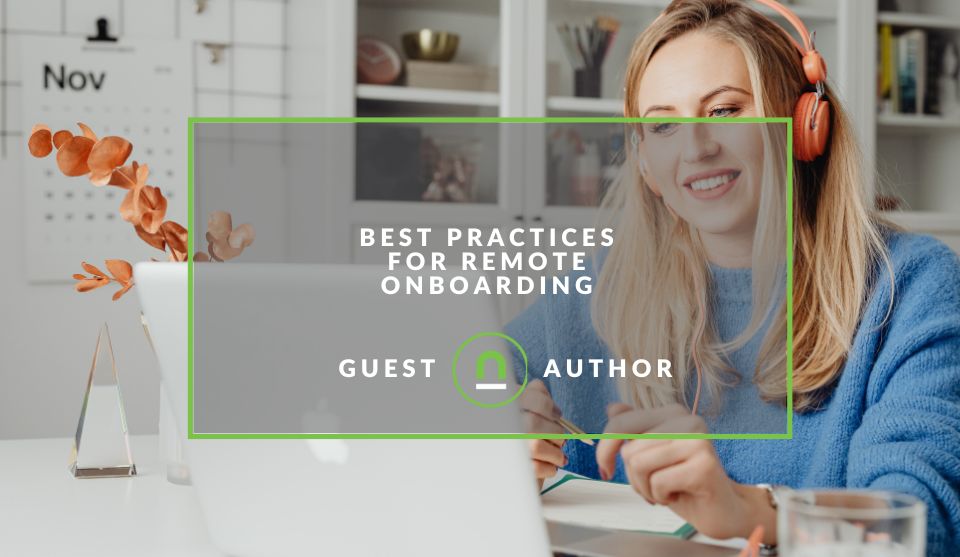
The onboarding process is as important as hiring the right people for the job. This is the process where you integrate the new hires into the company – the team members, the culture, and their new roles. If done right, this process can set up the new hires for success from the right go. While it would be unrealistic to expect new hires to hit the ground running on day one, an effective onboarding process can have them working seamlessly in the shortest time possible.
So, how can you do this effectively, where everything has to be done virtually? We have listed nine tips to help you successfully onboard your new remote hires.
1. Start early
The first days at a new job are always characterised by anxiety and confusion for most people. It can get worse in a remote setup. You can mitigate this by making the remote new hires feel like part of the company before the first day. Most employers send a welcome package to new remote hires a few days prior to commencing the job. Think of company-branded goodies or a nice gift for their remote worker offices.
2. Ensure they have the right technology before day one
Imagine your new remote hire running into technical issues on their first day at work. It can take a toll on their confidence and motivation, which can impede their morale for the job if not handled well. The best thing to ensure that the new hires feel confident is that they have all the technology they need early enough. If you have to send them a laptop, phone, or anything else, or you are helping them buy, ensure to do so in time. Additionally, have your IT person show them how to set up the technology properly.
3. Set clear expectations
When an employee understands what they are expected to do, they can set the right foot forward and create a good foundation for future success in the company. This should be followed by showing the employees how their work fits in with the company's goals. This helps the new hires align their roles to fit the long-term goals of the organisation. However, it is important to be clear since remote hires don't have the luxury of stopping you in the hallway for clarifications. That's why it's important to hold regular video calls in the beginning until they get the hang of the job.
4. Give access to vital information
In addition to giving clear expectations, it is paramount that the new hires have access to all the important information about the company. Create a digital employee handbook detailing the company processes, guides, day-to-day operations, work hours, co-working options, policies, how-tos, projects, and company culture. If you have foreign remote workers, professional human translation services for documents similar to the pre-mentioned ones are pivotal in ensuring that they access those papers in their native languages.
5. Introduce them to the team
A great way to make new hires feel like part of the team is to introduce them to the rest of the team members. Schedule a virtual meeting through a video call with everyone on board and give a brief introduction to all new hires. You can include their names and roles and also allow them to greet the team members.
6. Expedite adding them to the digital workspace
In any remote worker team, having a digital workspace where members collaborate is important. This is the platform where team members can send instant messages, discuss projects, hold non-work-related conversations, share documents, and more. After introducing the new remote hires to the team members, the next step is to add them to your digital workspace. You can have them introduce themselves again with a photo and a brief message.
7. Check-in regularly
Besides the work-related conversations going on in the company's communication channels, make it a point to check in with the new remote hires weekly or bi-weekly. These conversations should be focused on getting to understand how the employees are doing. Ask them about any challenges they are encountering and ask what you can do to help. Aim at building trust and long-term relationships during these meetings.
8. Promote transparency
It would be frustrating and demotivating if your new hires were left out of important happenings in the organisation. Remote hires tend to be forgotten since they work far from you, but this should be something other than your excuse. Ensure that remote hires have great visibility of what is happening even during the onboarding process.
9. Encourage socialisation
It is only sometimes that new hires will have the courage to ask their manager or supervisor questions. Having someone else they can run to when they have problems is important. This is where assigning a mentor or orientation buddy comes in. Introduce them and encourage them to set a time for video calls.
Conclusion
Remote onboarding can be daunting since everything happens over the internet. Moreover, if your remote team comprises individuals from different cultures and language backgrounds, a unique approach is paramount. You will need to think of hiring translators and learning about new cultures. However, whatever your case is, incorporating the above practices in your remote worker's onboarding strategy can lead to sure proof of success.
Tell us your story
Would you like to write for nichemarket just like Dea has? Find out how to submit a guest post and when you're ready, you can contact us.
Are you looking to promote your business?
Businesses and freelancers can create your free business listing on nichemarket. The more information you provide about your business, the easier it will be for your customers to find you online.
Registering with nichemarket is easy; all you will need to do is head over to our sign-up form and follow the instructions. If you require a more detailed guide on how to create your profile or your listing, then we highly recommend you check out the following articles.
Recommended reading
If you enjoyed this post and have time to spare, why not check out these related posts and dive deeper down the rabbit hole that is remote work.
- As More Types of Work Go Online, More Workers Are Going Nomadic
- Why Blue Light Glasses Are A Must For Digital Nomads
- How To Find Tech Vacancies in South Africa
- How To Build Relationships With Remote Workers
- 8 Tips to Help You Make It Through Your First Year as a Freelancer
Tags: Remote Work, Career, Job, Guest Post
You might also like

Best Tender Platforms in South Africa
27 August 2026
Posted by Candice Reed in Industry Experts
Compare the best tender platforms in South Africa by pricing, coverage, alerts, and ease of use to find the right fit for your business.
Read more
How to Read a Tar Surfacing Quote (So You Don't Overpay)
31 August 2026
Posted by Frank N in Constructive Criticism
Learn why the cheapest tar surfacing quote often costs more long-term, and the three questions that expose what's really excluded.
Read more
{{comment.sUserName}}
{{comment.iDayLastEdit}} day ago
{{comment.iDayLastEdit}} days ago