 News Home
 {{blogcategory.sCategoryName}}
Recent posts
Beauty Basics
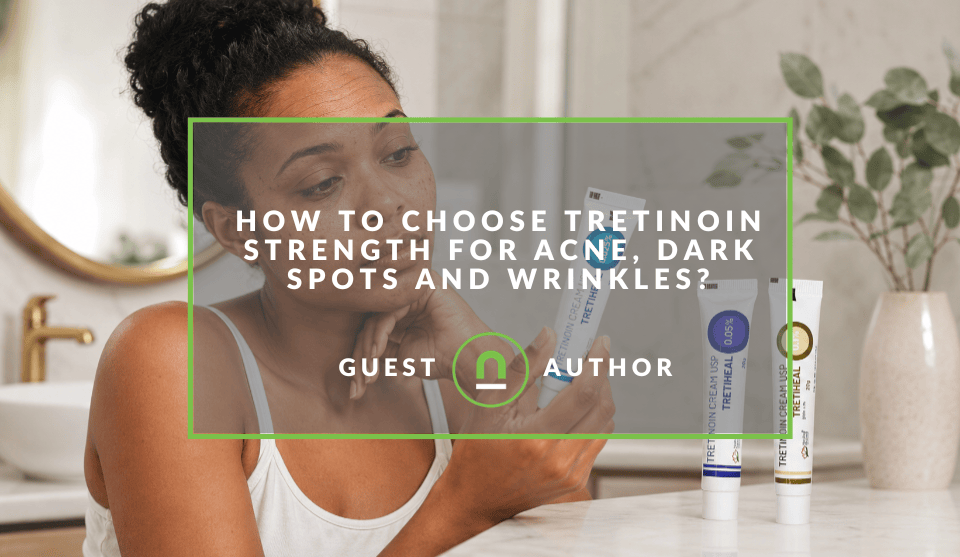
How to Choose Tretinoin Strength for Acne, Dark Spots and Wrinkles?
14 August 2026

Money Talks
How Does Margin Really Work on a Commodity Trading Platform?
11 August 2026

Money Talks
How Ramaphosa's Foreign Policy Impacts South Africa's Economy
06 August 2026

Press Releases
As Bank Loan Rejection Rates Soar to 80%, Pawn My Car Offers South Africans a Fast, Credit-Free Alternative
29 July 2026
Popular posts
Extravaganza
Trending Music Hashtags To Get Your Posts Noticed
24 August 2018
Geek Chic
How To Fix iPhone/iPad Only Charging In Certain Positions
05 July 2020
Extravaganza
Trending Wedding Hashtags To Get Your Posts Noticed
18 September 2018
Money Talks
How To Find Coupons & Vouchers Online In South Africa
28 March 2019
How to Choose Tretinoin Strength for Acne, Dark Spots and Wrinkles?
14 August 2026 | 0 comments | Posted by Mirza Shafique in Beauty Basics
Choosing the highest tretinoin percentage does not always mean choosing the best option for your skin. Tretinoin 0.025%, 0.05%, and 0.1% can all support different goals when used with care. Acne marks, broader pigmentation, and wrinkles respond differently, so one strength cannot suit every concern. Higher concentrations can also bring more dryness, redness, peeling, and irritation.
In South Africa, frequent sun exposure can make dark marks and uneven tone harder to manage. Pigmentation-prone skin may also react badly when irritation becomes too strong. A lower strength may therefore work better for someone who needs to keep redness and peeling under control. The best tretinoin strength is the one that matches your main concern and remains comfortable enough for steady use.
Disclaimer: This article is for general informational purposes only and reflects the views of the author, not nichemarket. Tretinoin is a prescription medication in South Africa. Always consult a dermatologist or healthcare professional before starting, changing, or adjusting your tretinoin strength or skincare routine.
Which Tretinoin Strength Suits Each Skin Goal?
The strength of tretinoin creams should match the skin concern, previous use, and current tolerance. The 0.025% strength often suits beginners, acne marks, early pigmentation, and fine lines. Tretinoin 0.05% may suit skin that already handles a lower concentration without ongoing irritation. The 0.1% strength may suit highly tolerant skin when lower concentrations have not met the main goal.
| Strength | May Suit | Main Advantage | Main Tradeoff |
| 0.025% | First-time users, acne marks, early pigmentation, fine lines | Lower irritation burden | Progress may feel gradual |
| 0.05% | Skin comfortable with tretinoin, persistent pigmentation, visible wrinkles | Higher concentration than 0.025% | More dryness and peeling may occur |
| 0.1% | Highly tolerant skin where lower strengths have not met the goal | Highest concentration compared here | Greater irritation risk |
These are general comparisons, not fixed rules for every skin type or concern.
What Actually Changes Between 0.025%, 0.05%, and 0.1%?
Percentage Means Concentration, Not Guaranteed Speed
The percentage tells you how much tretinoin is present in the formula. A higher number means a higher concentration, but it does not guarantee faster visible progress. Moving from 0.025% to 0.05% does not mean every skin response becomes twice as strong. Cell turnover, collagen support, pigment fading, and visible results don't increase at the same rate.
Higher Strength Also Raises the Irritation Question
Higher concentrations can cause more dryness, redness, peeling, and tightness in some people. These reactions can place extra stress on the skin barrier. Repeated irritation can also make regular tretinoin harder to maintain. This matters when steady use is needed for acne marks, pigmentation, and wrinkles.
Consider More Than the Percentage
SAHPRA provides official medicine and patient information for South African consumers. The percentage is therefore only one factor when comparing topical tretinoin options.
Best Tretinoin Strength for Acne Marks
First Check Whether It Is a Mark or a Scar
Flat brown or grey marks after acne are often post-inflammatory hyperpigmentation, rather than true acne scars. The American Academy of Dermatology also separates these flat colour changes from raised or indented scars. Tretinoin may help fade pigment, but structural scars are a different concern. This distinction matters before comparing tretinoin strengths.
Where 0.025% Makes Sense for Post Acne Marks
Tretinoin 0.025% can support gradual cell renewal while keeping irritation more manageable for many users. Research has also shown that topical tretinoin can improve post-inflammatory hyperpigmentation in darker skin. Lower irritation can be especially useful when the skin easily develops dark marks after inflammation.
When 0.05% Becomes Relevant
Tretinoin 0.05% may be considered when the skin already handles 0.025% comfortably. It may suit people whose acne marks remain visible despite steady use.
Why 0.1% Is Not Automatically Better for Acne Marks
Tretinoin 0.1% carries a greater chance of dryness and irritation. Repeated inflammation may leave fresh dark marks on pigmentation-prone skin.
Best Tretinoin Strength for Pigmentation
Pigmentation includes more than marks left after acne. Dark areas can also follow irritation, inflammation, sun exposure, or hormonal changes. The suitable tretinoin strength depends on the type of pigmentation and how well the skin tolerates treatment.
Post-Inflammatory Hyperpigmentation
- Can remain after acne, irritation, or inflammation.
- Lower irritation may reduce the chance of fresh dark marks.
Melasma and Uneven Pigmentation
- Melasma behaves differently from ordinary acne marks.
- Hormones and daylight can influence recurring pigment patches.
- Irritation may make uneven pigmentation harder to manage.
- No single tretinoin percentage suits every melasma concern.
Sun-Related Dark Spots and Uneven Tone
- Tretinoin helps replace older pigmented surface cells over time.
- Daily sun protection remains important for South African skin.
Why Stronger Tretinoin Can Sometimes Work Against the Goal
- Repeated irritation can lead to inflammation.
- Inflammation may trigger additional pigmentation in some skin tones.
- Medium and deeper skin tones can be more prone to visible darkening after irritation.
Best Tretinoin Strength for Wrinkles and Photoaging
Fine Lines and Early Texture Changes
Tretinoin 0.025% should not be dismissed simply because stronger concentrations exist. It supports skin renewal and collagen activity linked with smoother texture and softer fine lines. These changes develop gradually, so regular use matters more than chasing a higher percentage.
When 0.05% May Suit More Visible Signs of Ageing
- May suit skin already comfortable with a lower concentration.
- Can support visible fine lines and rough texture.
- May help with uneven tone and other signs of photoaging.
Does 0.1% Give Better Wrinkle Results?
A higher percentage does not guarantee proportionally better wrinkle improvement. A 48-week study compared 0.025% and 0.1% tretinoin on photoaged facial skin. Both strengths produced similar overall improvement, while 0.1% caused significantly more redness and scaling.
This evidence shows why 0.025% can still have value for long-term photoaging care.
Cream or Gel Can Change How the Same Strength Feels
Tretinoin percentage is only one part of how a product feels on the skin. The base formula can affect spreadability, comfort, and how drying the product feels. This means two products with the same percentage may not feel identical. Skin type also plays an important role in tolerance.
| Form | Typical Feel | Often Considered By |
| Cream | Richer and less drying for some users | Normal or dry skin |
| Gel | Lighter and sometimes more drying | Oily or acne-prone skin |
Why 0.05% Cream and 0.05% Gel May Feel Different
A 0.05% cream and 0.05% gel contain the same tretinoin concentration. However, their bases can affect texture, spread, and drying effect. Cream may feel more comfortable on dry skin, while gel may feel lighter on oily skin. Individual skin response still matters more than the format alone.
Why Skin Tone and South African Sun Exposure Matter
Pigmentation Prone Skin Needs Irritation Control
Some skin tones are more likely to develop lingering pigment after inflammation. Redness and repeated peeling can leave darker areas after the irritation settles.
UV Exposure Can Hide Progress
Regular UVA and UVB exposure can contribute to dark spots, uneven tone, and photoaging. This matters for people who spend significant time outdoors in South Africa. Ongoing sun exposure can make visible pigmentation harder to improve. It can also affect the skin changes people want from long-term tretinoin use.
Sunscreen Protects the Progress Tretinoin Is Making
CANSA recommends broad-spectrum sunscreen that protects against both UVA and UVB rays. Western Cape Government Health and Wellness also advises regular sunscreen use during outdoor exposure. Reapply sunscreen during longer periods outdoors and after swimming or heavy sweating. These habits help protect skin from further UV-related changes.
Daily sun protection is especially useful when pigmentation and photoaging are the main concerns. It supports a more stable routine while tretinoin works gradually over time.
Five Strength Mistakes That Can Slow Visible Progress
- Starting With 0.1% Because It Sounds Faster
Choosing by percentage alone can overlook skin tolerance and the concern being treated. - Increasing Strength While the Skin Is Still Irritated
Persistent redness, burning, peeling, or soreness can signal that the skin needs less stress. - Judging Pigmentation After Only a Short Period
Dark marks usually need time to fade as skin renewal continues. Changing strength too quickly can make progress harder to judge. - Treating Every Acne Mark Like an Acne Scar
Structural scarring responds differently from flat brown or grey marks. - Ignoring Sunscreen and Moisturiser
Moisturiser can help reduce dryness and support skin barrier comfort. Both can make long-term tretinoin use easier to maintain.
How to Tell Whether Your Current Tretinoin Strength Fits Your Skin
The right tretinoin strength should remain manageable during regular use. Official tretinoin information also lists redness, dryness, burning, and peeling among possible irritation effects.
Signs the Current Strength May Be Working Well
- Skin can use the strength consistently.
- Dryness stays manageable.
- Redness settles instead of remaining persistent.
- Acne marks or pigmentation change gradually.
- Skin texture becomes smoother over time.
Signs the Strength May Be Too Much
- Burning continues after application.
- Heavy peeling happens repeatedly.
- Redness remains noticeable.
- Skin feels tight or sore.
- New dark marks appear after irritation.
- The routine often stops because the skin cannot tolerate it.
The best fit is one that can remain part of a stable routine.
Frequently Asked Questions
Is tretinoin 0.025% strong enough for acne marks?
Yes, 0.025% can support gradual fading of flat post-acne marks.
Is 0.05% better than 0.025% for pigmentation?
Not for everyone. The better choice depends on how the skin responds to each concentration.
Does tretinoin 0.1% fade dark spots faster?
A higher concentration does not guarantee faster visible fading.
Which tretinoin strength is best for wrinkles?
Tretinoin 0.025%, 0.05%, and 0.1% can each have a place depending on tolerance and the level of photoaging.
Can stronger tretinoin make pigmentation look worse?
Yes, significant irritation can trigger post-inflammatory hyperpigmentation in pigmentation-prone skin.
Is tretinoin cream better than gel for pigmentation-prone skin?
Neither form is automatically better. The better choice depends on skin type, formula, dryness, and individual tolerance.
Can 0.025% tretinoin still support collagen?
Yes. Tretinoin 0.025% can support collagen-related skin changes over time.
Does tretinoin remove acne scars?
Tretinoin may improve flat post-acne colour and some surface texture. Raised or indented scars involve structural changes within the skin.
Conclusion
The best tretinoin strength depends on your concerns and how well your skin tolerates regular use. Tretinoin 0.025% can suit acne marks, pigmentation, fine lines, and people who need a gentler option. Tretinoin 0.05% may suit skin that already handles lower strength well. Tretinoin 0.1% has a place, but it is not automatically the best choice.
Cream or gel, skin tone, irritation, sunscreen, and consistency can also affect visible progress. The best percentage supports steady improvement without repeatedly stressing the skin.
About The Author
Mirza Shafique writes skincare content for South African readers, with a focus on tretinoin, acne marks, pigmentation, anti-ageing, and topical retinoids. His content explains skincare topics in clear language, with attention to product strength, skin response, irritation, and consistent long-term use.
Email: support@skincareproduct.co.za
Share your story with nichemarket
Have insights, expertise, or a story your industry needs to hear? Check out our guest post guidelines and contact us to get started.
List your business on nichemarket
Reach more customers by creating a free business listing today. A well-filled-out profile goes a long way in helping the right customers find you.
New to nichemarket? Start with these helpful guides:
Recommended reading:
Want more? We've got plenty more content on Skincare & Beauty to keep you inspired.
- Tretinoin Cream 0.025% vs 0.05% vs 0.1% South Africa Guide
- Microneedling: A Guide To This Popular Skin Treatment
- 5 Harmful Effects of UV Radiations on Skin
- 7-Step Skin Care Routine For Glowing Skin
- 5 Impacts of Cosmetology on Health
- 7 Reasons To Try Vegan CBD and Cannabis Skincare
Tags: skincare tips, retinoid skincare, acne marks, pigmentation, wrinkles, Guest Post
You might also like

What You Should Know About ClickCredit Loan Rates and Terms
17 July 2026
Posted by Anna Kapinus in Money Talks
Understand ClickCredit's interest rates, fees, loan terms, and application process before borrowing, plus red flags to avoid with SA lenders.
Read moreHow Does Margin Really Work on a Commodity Trading Platform?
11 August 2026
Posted by Daniela Mitchell in Money Talks
Learn how initial and maintenance margin work in commodity trading, how leverage compares across futures, CFDs, Forex, and stocks, and key risks.
Read more
{{comment.sUserName}}
{{comment.iDayLastEdit}} day ago
{{comment.iDayLastEdit}} days ago