 News Home
 {{blogcategory.sCategoryName}}
Recent posts

Money Talks
How to Find a Financial Solution That Matches Your Lifestyle
23 October 2026
Doctors Orders
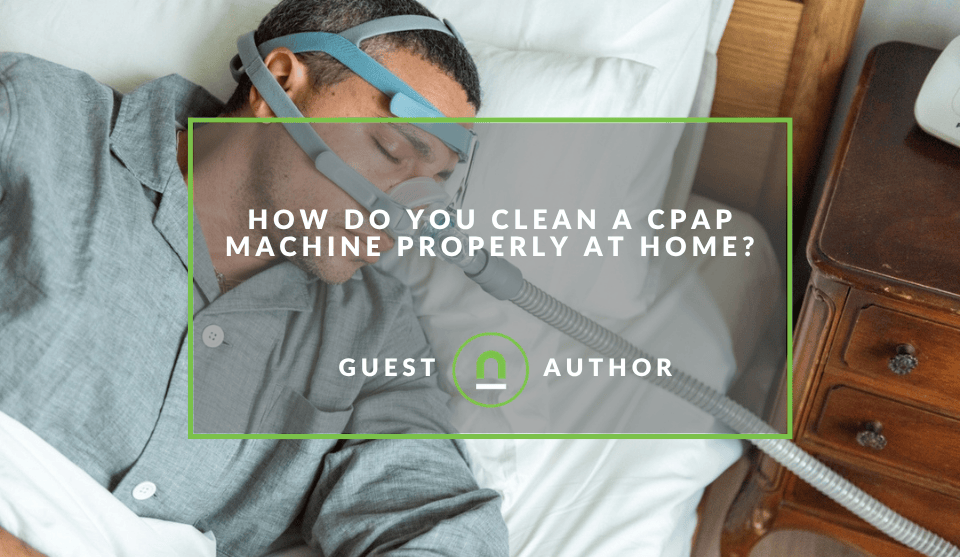
How Do You Clean a CPAP Machine Properly at Home?
22 October 2026

Hit the Road
Why China Is South Africa's Biggest Trading Partner?
19 October 2026

Geek Chic
Skip the Photoshoot: Sell Smarter with Image-to-Video AI Magic
16 October 2026
Popular posts
Extravaganza
Trending Music Hashtags To Get Your Posts Noticed
24 August 2018
Geek Chic
How To Fix iPhone/iPad Only Charging In Certain Positions
05 July 2020
Extravaganza
Trending Wedding Hashtags To Get Your Posts Noticed
18 September 2018
Money Talks
How To Find Coupons & Vouchers Online In South Africa
28 March 2019
How Do You Clean a CPAP Machine Properly at Home?
22 October 2026 | 0 comments | Posted by Jasper Stewart in Doctors Orders
Regularly cleaning your sleep apnea device helps keep you healthy while you use it. This is because dust and other materials accumulate in the medical device, providing a breeding ground for bacteria.
Why More South Africans Are Suffering from Sleep Apnea
In South Africa, awareness and diagnosis of Obstructive Sleep Apnea (OSA) have grown significantly in recent years. Several key factors contribute to the rising prevalence of sleep apnea across the country:
- Rising Obesity Rates: Obesity is a primary risk factor for obstructive sleep apnea. Increased urbanisation, sedentary lifestyles, and dietary shifts toward processed foods have contributed to higher rates of obesity and associated metabolic conditions in South Africa.
- Lifestyle and Stress Factors: High stress levels, urban commuting patterns, and lifestyle choices such as alcohol consumption or smoking can aggravate airway collapse during sleep and disrupt overall sleep quality.
- Increased Clinical Awareness: More South Africans are undergoing sleep studies and seeking medical advice for persistent snoring, chronic daytime fatigue, and hypertension, leading to higher rates of formal diagnosis than in previous decades.
- Ageing Population: As life expectancy rises, more people fall into older age brackets where upper-airway muscle tone naturally decreases, increasing the likelihood of sleep-disordered breathing.
Why Sleep Apnea Devices Get Dirty and Risks of Neglect
During nightly use, your CPAP machine continuously circulates warm, moist air through the mask, reservoir, and tubing. Over time, facial oils, dead skin cells, sweat, and environmental dust accumulate on these components. The constant warmth and humidity create an ideal environment for bacteria, mould, and yeast to multiply.
If you don't clean the equipment regularly, breathing in these contaminants can lead to respiratory issues, sinus infections, sore throats, and persistent skin irritation or breakouts where the mask rests. Additionally, mineral buildup and residue can cause the machine's components to break down prematurely or impair airflow delivery.
Cleaning the mask, humidifier reservoir, and flexible CPAP tubing helps prevent respiratory infections and extends your equipment's life. Proper cleaning of your air path will keep it clean and fresh.
Daily Cleaning Routine for CPAP Accessories
Rinse the silicone cushion of your CPAP mask thoroughly every morning with warm water and a gentle liquid soap. The removal of the oils from the face keeps the user from skin irritation every night.
Drain any leftover distilled water from your humidifier chamber to prevent mould and mineral deposits. Let the chamber air dry completely on a clean towel out of direct sunlight.
Taking Apart Your Equipment for Deep Cleaning
First, unplug your machine from the electrical outlet before starting your weekly deep-cleaning routine. Carefully disconnect the cushion mask, headgear straps, humidifier chamber, and tubing from your machine.
Inspecting your long plastic CPAP Tubing for cracks or discolouration helps ensure optimal airflow delivery. Replacing damaged parts promptly guarantees your machine continues delivering prescribed air pressure levels effectively.
Step-by-Step Weekly Washing Guide
Dipping Parts into a Warm Scentless Soap Bath
Dip the parts of your mask such as the frame, silicone cushions and hose in warm bath water filled with mild dish soap or cleaning agents for equipment.
Avoid bleach, alcohol, and antibacterial soaps because these chemicals can deteriorate soft silicone quickly. Delicate soaps can be used to clean sensitive medical equipment surfaces effectively.
Cleaning Inside the Air Delivery Hose
Pass warm soapy water all the way through your CPAP Tubing in order to clean the dust and moisture that might have accumulated inside the tube. Use a long brush inside the tube for cleaning any debris.
Rinse the hose thoroughly with clean running tap water until all soap suds disappear completely. Thorough rinsing makes sure that you do not inhale soap fumes when using your therapy device at night.
Drying and Reassembling Your Equipment
Proper Drying Techniques
After washing the hose, drape it over a shower rod or towel bar to let all moisture drip off. Both ends should be down to allow air circulation throughout the hose.
Lay out all washed sections of the mask and water chamber on paper towels to dry thoroughly. Never use hot hair dryers, since high temperatures will distort flexible plastic components irreversibly.
Assembling Pieces and Inspecting Filters
Reconnect your dry components carefully once every part is completely free of surface moisture. Check your foam air filters weekly and replace disposable white fine filters every month without fail.
Clean filters stop airborne dust from entering your fresh CPAP Tubing and main blower unit. Proper care guarantees quiet operation, consistent pressure output, and healthy sleep therapy every single night.
FAQs
- How often should I wash my CPAP hose?
Wash your hose thoroughly at least once a week in warm, soapy water. - May I use vinegar to clean my CPAP?
Yes, one part vinegar mixed with three parts water will successfully disinfect the water chambers. - What will happen if I don’t clean my CPAP device?
Dirt in an uncleaned device can breed bacteria and dust, which may lead to sinus infections and breathing problems.
Share your story with nichemarket
Have insights, expertise, or a story your industry needs to hear? Check out our guest post guidelines and contact us to get started.
List your business on nichemarket
Get your Healthcare Services featured on nichemarket and reach more customers by creating a free business listing today. A well-filled-out profile goes a long way in helping the right customers find you.
New to nichemarket? Start with these helpful guides:
Keep reading:
Want more? We've got plenty more Sleep Tips to keep you inspired:
- Sleep Expert Cautioning Against TikTok’s ‘Mouth Taping’ Trend
- Do CBD Gummies Help with Sleep?
- Why Sleep Is Essential For Productivity
- CBD for Insomnia: Can It Help?
- How To Select A Mattress For A Pregnant Woman
Tags: guest post, health tips, cpap cleaning, sleep apnea, cpap machine care
You might also like
Why China Is South Africa's Biggest Trading Partner?
19 October 2026
Posted by Che Kohler in Hit the Road
China is South Africa's largest trading partner due to massive Chinese demand for South African raw materials and competitive Chinese manufactured im...
Read more
Planning a Scenic Escape: How to Choose Hotels in Lijiang
14 October 2026
Posted by Sherlyn Williams in Hit the Road
Planning a trip to Lijiang? Learn how to pick between Old Town, Shuhe and Baisha hotels based on your pace, arrival plans, and mountain days.
Read more
{{comment.sUserName}}
{{comment.iDayLastEdit}} day ago
{{comment.iDayLastEdit}} days ago